GAIA · The Big Mother
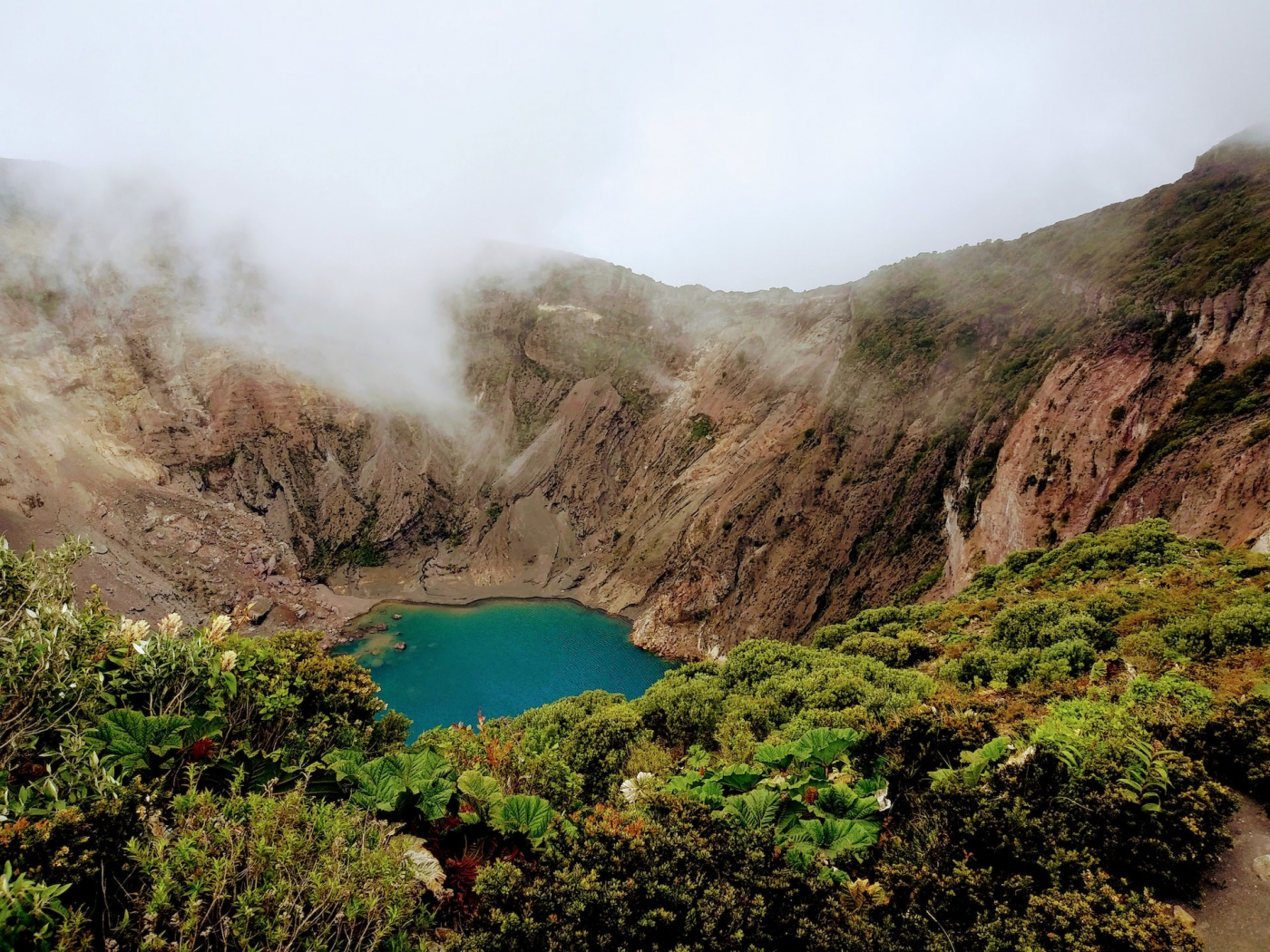
Gaia - The Great Mother, a production of the ICGC, is a scientific and informative documentary that deals, in a general way, with the origin of the Earth, its evolution up to the present day and the future that awaits the planet . It emphasizes the basic geological concepts developed by some of the most prominent figures in the history of the Earth Sciences and reviews some of the most relevant knowledge about the Earth System, acquired through scientific reasoning.
In an agile way, the documentary talks about issues such as the origin and dynamics of the Solar System, the Earth and the Moon; of water, oceans and continents; of the origin of life, the oldest organisms and their evolution; of the primitive atmosphere and of the atmosphere with oxygen; deals with geologic time and shows some of the key stages of Earth's evolution, including some of the best-known mass extinctions; explains the current distribution of continents and oceans, their past and future distributions; it talks about volcanoes and earthquakes, natural resources of geological origin, some applications of Earth Sciences and threats to the sustainability of the planet.
Geological concepts are intimately linked to environmental ones and to the role that life - in general and particularly human life - plays on Earth. The facts and ideas are presented through computer-generated illustrations and three-dimensional animations and exterior footage shot in relevant locations, such as the ICGC itself, museums and emblematic geological landscapes located in Catalonia, England, Scotland and the Basque Country .
Nature 2016.
Earthmob
More content you might like...
Save the Sepik - No Frieda River Mine
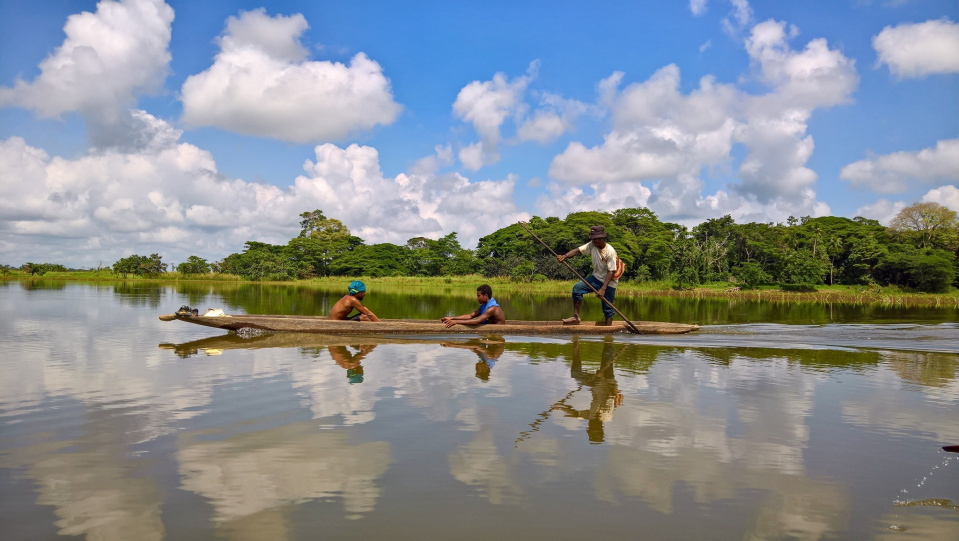
This video follows the steps of Save The Sepik campaigners who travel the Sepik river to bring awareness and collect the views of the people on the Frieda Mine.
The Toxic Truth
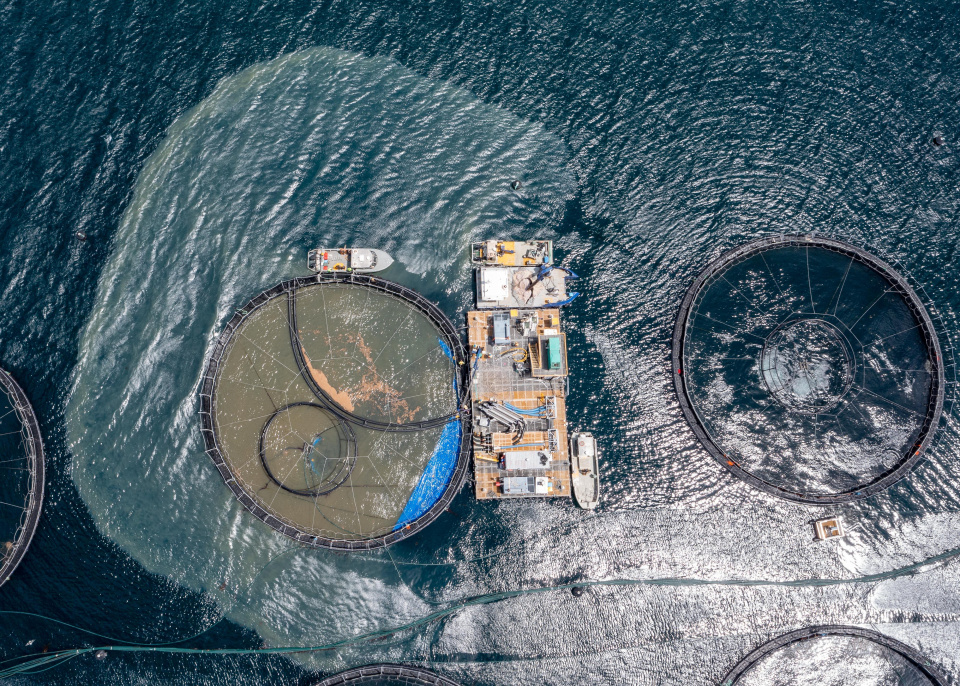
This film, hosted by British television personality Miriam Margolyes spells out just how toxic mass produced protein, in the form of Atlantic salmon, is as a food stuff. Toxic for human consumption, toxic for the marine environment and toxic for the community. - a story repeated in hundreds of communities around the world.
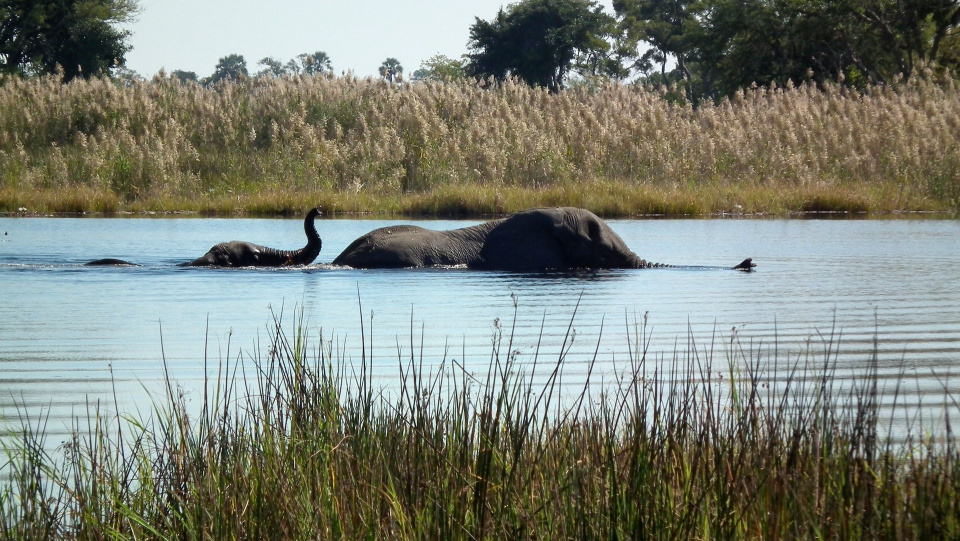
How We're Saving One of Earth's Last Wild Places
Navigating territorial hippos and active minefields, TED Fellow Steve Boyes and a team of scientists have been traveling through the Okavango Delta, Africa's largest remaining wetland wilderness, to explore and protect this near-pristine habitat against the rising threat of development. In this awe-inspiring talk packed with images, he shares his work doing detailed scientific surveys in the hopes of protecting this enormous, fragile wilderness.